Built for high exposure
Care designed for people who repeatedly face high-stress, life-and-death situations, recognizing that what they carry deserves real treatment.
Private and discreet
Just six beds in the quiet of the Brea Hills, so reputation and standing are protected while you focus on getting well.
Camaraderie that feels familiar
Group sessions recreate the camaraderie and mutual support that first responders already know well from their crews.
Luxury rehab for first responders
Firefighters, police officers, paramedics, EMTs, and dispatchers spend their careers running toward what the rest of us run from. They see things most people never will, often on back-to-back shifts with little time to recover in between. Over time, that takes a toll, and for many, alcohol or other substances become the way they try to cope. Luxury rehab for first responders offers a private, restorative place to set that weight down and get the focused care they have earned.
Brea Hills Recovery in Orange County, California provides this kind of setting: small, discreet, and built to treat both substance use and the experiences underneath it. Explore our treatment programs to learn more about how this care is structured.
Why first responders are at higher risk
The numbers tell a clear story. Research summarized across multiple studies suggests that roughly 30 percent of first responders develop behavioral health conditions such as PTSD, depression, or anxiety, compared with about 20 percent of the general population. A 2025 meta-analysis published in a peer-reviewed journal found PTSD rates rising among first responders in recent years, particularly since the pandemic.
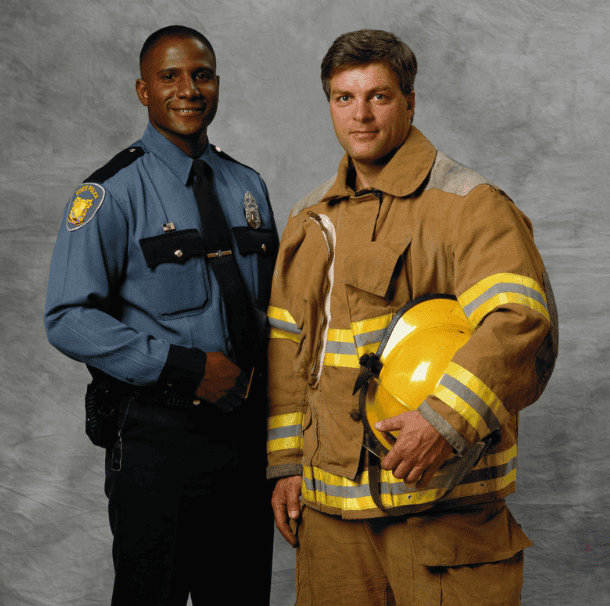
Substance use often follows. Studies indicate that about 1 in 5 first responders living with PTSD also have a substance use disorder, and alcohol is the substance most commonly involved. Part of this is cultural: drinking is often how crews decompress and bond after a hard call.
Part of it is biological, as alcohol temporarily dulls the racing thoughts and broken sleep that come with the job. Either way, what starts as relief can quietly become dependence.
The point is not weakness. It is exposure. People who repeatedly face high-stress, life-and-death situations are simply carrying more, and they deserve care that recognizes that.
Why a private, specialized setting helps in luxury rehab for first responders
First responders are used to being the helper, not the one who needs help. Many find it difficult to step into a patient role, and concerns about privacy, judgment, or career impact can keep them from reaching out. A luxury rehab addresses those concerns directly.
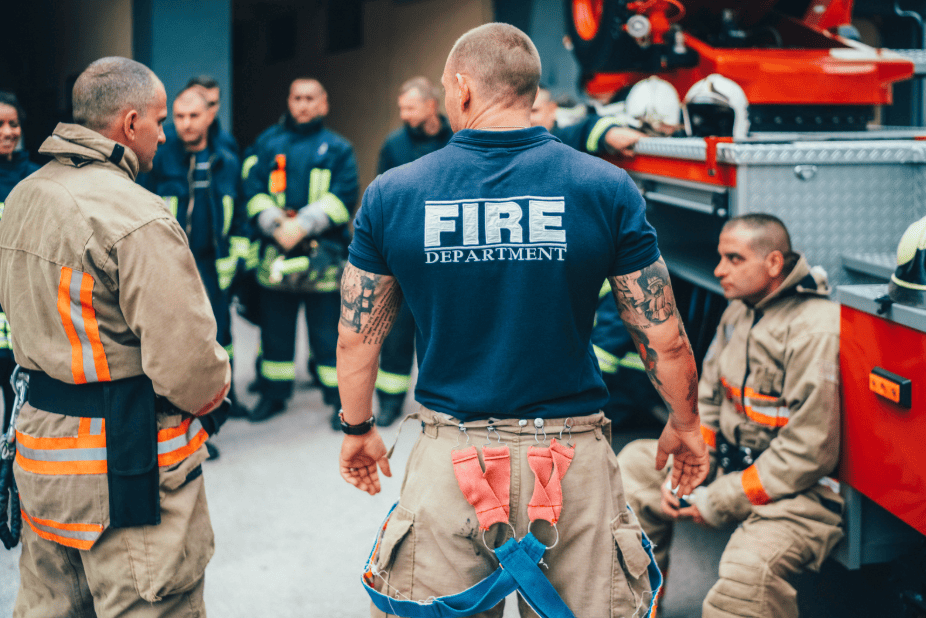
Brea Hills Recovery is intentionally small, with just six beds, set in the quiet of the Brea Hills. That privacy and intimacy mean you are not lost in a crowd, and the strong sense of community among guests often feels familiar to people who have worked in tight-knit crews. The discretion of a small, private facility matters a great deal to people whose work depends on their reputation and standing.
Treating substance use and what lies beneath it
For first responders, treating the drinking or drug use alone rarely holds, because the high-stress exposure that drove it is still there. Effective care addresses both at once, an approach known as dual diagnosis treatment.
At Brea Hills, that combined care is a specialty. A typical path includes medically supervised detox for a safe, comfortable start, and structured residential treatment combining individual therapy, group work, and rest.
Group sessions can be especially powerful here, recreating the camaraderie and mutual support that first responders know well.
Dual diagnosis care. Therapy that treats PTSD and substance use as connected, helping you build healthier ways to manage stress, sleep, and the things you have witnessed on the job.
Wellness support. Gourmet meals, a fitness and wellness gym, hydrotherapy, and time outdoors help restore a body that has been running on adrenaline for too long.
The goal is to send you home steadier and stronger, with real tools, not just a few weeks away.
Ready to explore luxury rehab for first responders?
Does insurance cover rehab for first responders?
Often, yes. Brea Hills Recovery works with most major insurance providers, including Aetna, Cigna, Blue Cross Blue Shield, Optum, Beacon Health Options, AmeriHealth, MultiPlan, and Tricare. Coverage varies by plan, so verifying your benefits confidentially is the easiest first step.
Is rehab confidential for first responders?
Yes. Reputable programs protect your privacy closely, and a small, private facility like Brea Hills is built around discretion, which matters for people whose careers depend on their standing.
Can PTSD and addiction be treated together?
Yes, and for first responders that combined, or dual diagnosis, approach is often the most effective, because the substance use and the high-stress exposure are so closely linked.
Do you treat firefighters, police, EMS, and dispatchers?
Yes. Luxury rehab for first responders is designed for the full range of emergency services personnel.
Will going to treatment hurt my career?
Many first responders worry about this, which is exactly why discretion matters so much. Privacy is central to how Brea Hills operates, and these concerns can be discussed confidentially before admission.
Where is the program located?
In the Brea Hills of Orange County, California, easily reachable from across Southern California. Take a tour or learn more about us.
You take care of everyone. Let someone take care of you.
The strength you bring to the job is the same strength that will carry you through recovery, and you do not have to white-knuckle it alone. Brea Hills Recovery offers luxury rehab for first responders in a private, restorative Southern California setting, with care that treats the whole person. Reach out to start the conversation confidentially.