One whole picture
PTSD and substance use are treated together, not as two separate problems, giving recovery a far better chance of lasting.
A private, respectful setting
Just six beds in the quiet surroundings of the Brea Hills, built for discretion, comfort, and individualized care.
Brotherhood in recovery
Group work and shared experience offer veterans a familiar sense of camaraderie while they heal.
PTSD and addiction treatment for veterans: healing after service
Veterans give a great deal in service to their country, and many carry the weight of that service long after they come home. For some, that weight shows up as post-traumatic stress disorder (PTSD), and for many, it becomes tangled up with alcohol or drug use. The two often feed each other. The good news is that treating them together works, and dedicated PTSD and addiction treatment for veterans can help you put both down for good.
At Brea Hills Recovery in Orange County, California, veterans find a private, respectful environment where the connection between PTSD and substance use is understood and treated as one whole picture, not two separate problems. Learn more about our treatment programs designed for this kind of integrated care.
Why PTSD and addiction so often go together for veterans
The link is well documented. The U.S. Department of Veterans Affairs and the National Institute on Drug Abuse report that roughly 1 in 10 veterans who come to the VA for the first time meet the criteria for a substance use disorder, a higher rate than the general population. Among veterans of recent conflicts in Iraq and Afghanistan who develop a substance use disorder, research has found that about 63 percent also meet the criteria for PTSD.
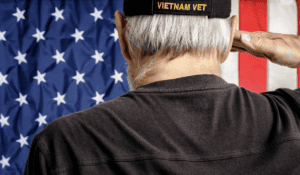
The reason is human and understandable. When sleep is broken, when memories intrude, and when the body stays on high alert long after the danger has passed, alcohol or drugs can feel like the only way to get a few hours of relief.
Over time, that short-term relief becomes its own problem, and the original difficulty gets worse rather than better. Studies of veterans consistently show that when PTSD symptoms flare, substance use tends to rise alongside them.
Understanding this cycle is the first step toward breaking it.
Why treating both at once matters
For years, programs treated addiction and PTSD separately, one after the other. We now know that integrated care, which addresses both at the same time, tends to be safer and more effective for veterans. This combined approach is often called dual diagnosis treatment.
Treating only the substance use, while leaving the underlying distress unaddressed, leaves the door open for relapse. Treating only the PTSD, while the substance use continues, makes that work much harder. Brea Hills Recovery offers dedicated dual diagnosis care so that both can be worked on together, in step with each other.
What veteran-focused addiction treatment looks like at Brea Hills
Recovery works best in a setting that feels safe and calm. Brea Hills is intentionally small, with just six beds, set in the quiet surroundings of the Brea Hills. That intimacy means more individual attention and a real sense of community among the people healing alongside you.

A typical path through care includes:
Medically supervised detox. A safe, comfortable start that lets the body stabilize before the deeper work begins through our detox program.
Residential treatment. A structured, supportive program combining individual therapy, group sessions, and time to rest and reset. For veterans, the camaraderie of group work often feels familiar, a return to the kind of brotherhood and sisterhood built in service.
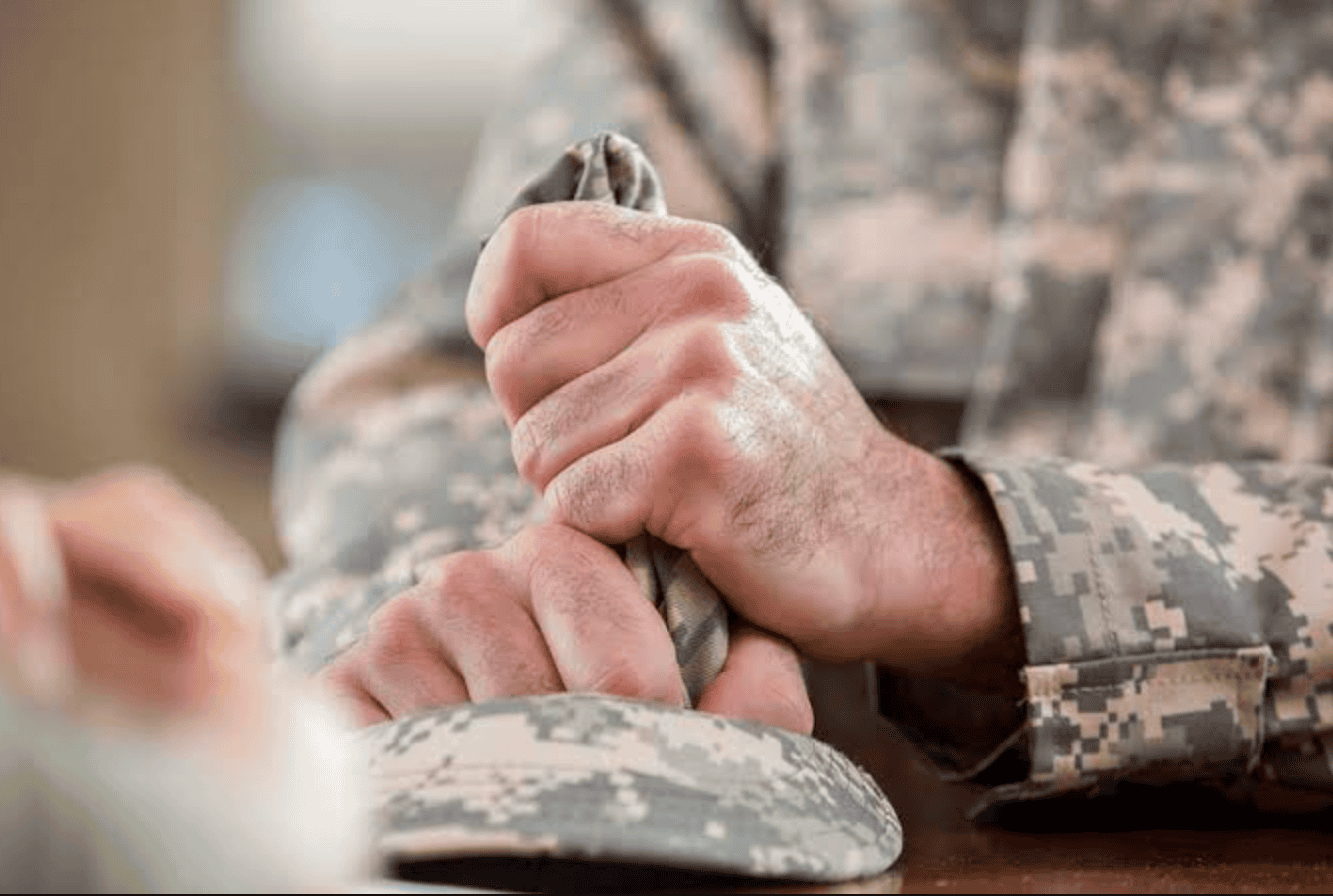
Dual diagnosis care. Therapy that addresses PTSD and substance use as connected concerns, helping you develop healthier ways to manage stress, sleep, and the things you have lived through.
Wellness support. Gourmet meals, a fitness and wellness gym, hydrotherapy, and time outdoors all support the body while the mind recovers.
The aim is not just sobriety. It is a steadier, calmer life, with tools that hold up after you leave.
Ready to explore PTSD and addiction treatment for veterans?
Does Tricare cover veteran addiction treatment?
Often, yes. Brea Hills Recovery accepts Tricare along with most major insurance providers, including Aetna, Cigna, Blue Cross Blue Shield, Optum, Beacon Health Options, AmeriHealth, and MultiPlan. Coverage details vary by plan, so the simplest step is to verify your benefits confidentially before making any decisions.
Can PTSD and addiction be treated at the same time?
Yes. Integrated, or dual diagnosis, treatment addresses both together and is widely regarded as safer and more effective than treating them one at a time. Brea Hills Recovery provides this combined approach.
Do I have to use the VA for addiction treatment?
No. Many veterans carry private insurance or Tricare in addition to VA benefits and choose a private program for its discretion, comfort, and individualized care.
Is treatment confidential?
Yes. Brea Hills is a small, private facility built around privacy, which many veterans value highly.
What if alcohol is the main issue?
Alcohol is the substance most commonly involved for veterans, and it is fully addressed through detox, residential care, and dual diagnosis treatment.
Where is the program located?
In the Brea Hills of Orange County, California, easily reachable from across Southern California. Take a tour or learn more about us.
You served. Now let someone serve you.
The same strength that carried you through service can carry you through recovery, and you do not have to do it alone. Brea Hills Recovery offers PTSD and addiction treatment for veterans in a private, respectful Southern California setting, with care that treats the whole person.
To learn more or verify your Tricare or other coverage, call 657-688-1980 or reach out through our contact page. Help is here, and healing is possible.